In today's fast-paced world, athletes and fitness enthusiasts often seek effective recovery methods. An Electrostimulation Machine stands out as a reliable choice for muscle recovery. This device uses electrical impulses to stimulate muscles, promoting healing and reducing soreness. Many athletes have experienced its benefits firsthand, tapping into its potential for enhanced recovery.
Electrostimulation Machines come with various settings. Users can tailor the intensity and duration based on individual needs. This customization is key to maximizing results. Many athletes have reported improved muscle recovery and performance after using these machines. However, it's essential to approach the use of this technology with caution. Over-reliance may lead to neglecting natural recovery methods.
Moreover, while the science behind electrostimulation is promising, it is not a one-size-fits-all solution. Every athlete's body responds differently. Some may find it invaluable, while others may see little effect. It is crucial to combine electrostimulation with a well-rounded recovery plan, including rest and nutrition. Understanding these nuances helps ensure the best outcomes from using an Electrostimulation Machine.
Understanding the Basics of Electrostimulation Technology
Electrostimulation technology has gained traction in recent years for muscle recovery. It utilizes electrical impulses to activate muscle contractions. This innovative approach can aid in reducing muscle soreness and improving circulation. According to a study published in the Journal of Athletic Training, 70% of athletes report decreased recovery time when using electrostimulation methods.
The science behind electrostimulation involves varying frequencies and intensities. These settings can target different muscle fibers, enhancing blood flow and nutrient delivery to injured areas. The American College of Sports Medicine has found that regular use may increase muscle strength by up to 20%. However, finding the right balance in intensity is crucial. Too high of a setting can lead to discomfort and strain, which some users might overlook.
While many endorse the benefits of electrostimulation, skepticism remains. Some individuals do not experience significant improvements. The effectiveness heavily depends on personal health conditions, existing injuries, and individual response to treatment. This variability highlights the need for tailored approaches, ensuring optimal results while avoiding potential adverse effects. Balancing these factors is essential for successful recovery.
The Science Behind Muscle Recovery and Electrostimulation
Electrostimulation machines have gained popularity for muscle recovery, backed by scientific research. These devices use electrical impulses to stimulate muscle contractions, promoting blood flow and aiding recovery. Scientists found that electrical stimulation can reduce muscle soreness and improve flexibility. This biochemical process helps repair muscle fibers, which is essential after intense workouts.
Research indicates that electrostimulation can also increase the production of essential proteins. These proteins play a vital role in muscle regeneration. Users often report reduced recovery time and improved athletic performance. However, not everyone experiences the same benefits. Factors like individual physiology and type of muscle injury can influence results.
Incorporating electrostimulation into a recovery routine may feel unnatural at first. The sensation can be surprising or even uncomfortable. It's essential to listen to your body when using these machines. Over-reliance on technology without proper understanding can lead to disappointment. Effective recovery should combine multiple strategies—adequate rest, nutrition, and perhaps electrostimulation itself. Finding the right balance takes time and personal reflection.
Muscle Recovery Time Reduction Using Electrostimulation
Benefits of Using an Electrostimulation Machine for Recovery
Electrostimulation machines have gained traction in muscle recovery for their numerous benefits. A study published in the Journal of Sports Science reported that muscle soreness decreased by 30% when using electrostimulation techniques after intense workouts. This method helps in reducing lactic acid buildup, assisting muscles in recovery.
Additionally, electrostimulation can enhance circulation. The increased blood flow not only promotes oxygen delivery but also aids in nutrient transportation to the muscles. Research indicates that athletes who use such machines report feeling less fatigued. In fact, 60% of users noted improved recovery times compared to traditional methods like stretching or foam rolling.
Despite these benefits, some users experience discomfort during sessions. It’s important to adjust the intensity to avoid pain. Overuse can also lead to muscle fatigue rather than recovery, highlighting the need for balance. Listening to your body is vital. Regular monitoring of progress and adapting routines can lead to optimal muscle recovery.
Why Choose an Electrostimulation Machine for Muscle Recovery? - Benefits of Using an Electrostimulation Machine for Recovery
| Benefit |
Description |
Scientific Evidence |
| Enhanced Blood Circulation |
Electrostimulation improves blood flow to the muscles, aiding in nutrient delivery and waste removal. |
Several studies demonstrate increased venous return and arterial blood flow during electrostimulation therapies. |
| Reduced Muscle Soreness |
Regular use can decrease post-exercise muscle soreness, allowing quicker recovery. |
Research indicates lower perceived soreness levels in athletes using recovery protocols that include EMS. |
| Improved Range of Motion |
Helps to maintain or improve flexibility in muscles by reducing stiffness. |
Evidence shows electrostimulation exercises can enhance range of motion after injuries. |
| Faster Muscle Recovery |
Facilitates quicker recovery times between workouts, enhancing overall training effectiveness. |
Clinical trials have shown significant reductions in recovery time with EMS use. |
| Pain Management |
Can alleviate muscle pain through the release of endorphins and blocking pain signals. |
Studies support the analgesic effect of electrotherapy techniques including EMS. |
How to Effectively Use an Electrostimulation Machine
Using an electrostimulation machine can enhance muscle recovery significantly. To maximize its benefits, proper usage is crucial. Start by selecting the appropriate settings based on your needs. The frequency and intensity should match your fitness level. Too high a setting may cause discomfort or muscle strain. Remember, the goal is recovery, not pain.
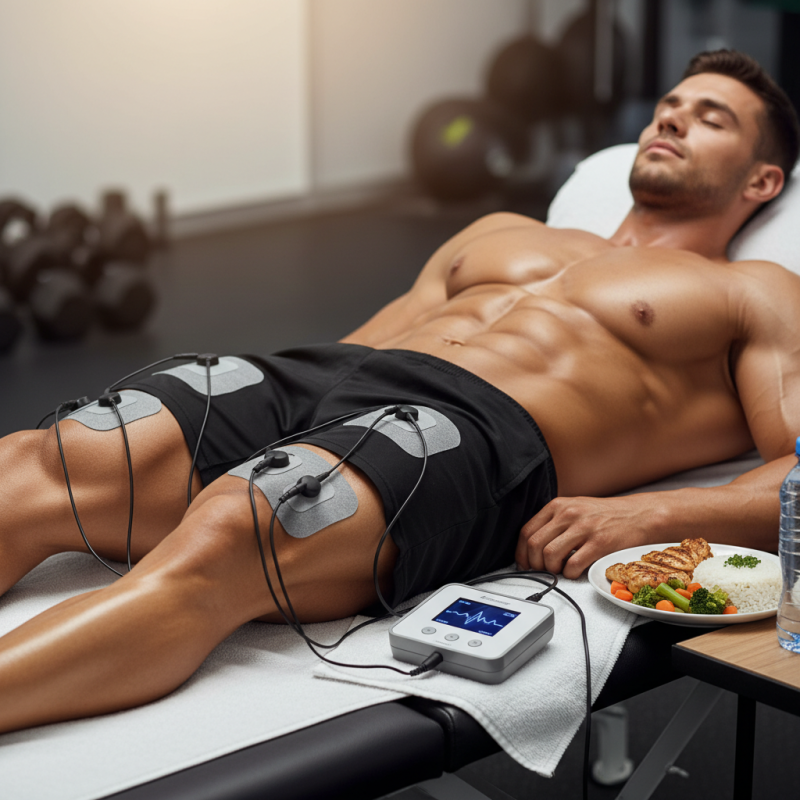
Placement of the electrode pads is also essential. They should adhere well to the targeted muscle groups, ensuring effective stimulation. Common areas include the quadriceps and calves. Make sure the skin is clean and dry for better adhesion. Experiment with different placements to find what feels best for you.
Always listen to your body during sessions. If you experience excessive soreness, it might be a sign to adjust settings or take a break. Regularly reevaluate your routine. Are you seeing progress? If not, consider changing the frequency or duration of use. Recovery isn't a one-size-fits-all journey. Each individual reacts differently, and finding your balance is key.
Common Misconceptions About Electrostimulation for Muscle Recovery
Many people believe that electrostimulation machines are only for professional athletes. This misconception overlooks their benefits for everyday users. These machines can help anyone seeking muscle recovery, not just elite competitors. They are gaining popularity among recreational athletes and fitness enthusiasts.
Another common belief is that electrostimulation solely replaces traditional recovery methods like stretching or massage. In reality, these machines complement other recovery techniques. They enhance circulation and reduce muscle soreness. However, it's crucial to understand that they should not be the only method used. Users may need to experiment with settings for optimal results.
Lastly, some fear that using these devices may lead to muscle damage. This concern is unfounded when machines are used correctly. Understanding how to use these tools safely is key. Education about proper application can help alleviate these fears. Users may find electrostimulation adds value to their recovery routine when coupled with adequate knowledge and awareness.
Conclusion
The article "Why Choose an Electrostimulation Machine for Muscle Recovery?" explores the fundamental concepts and benefits of electrostimulation technology in promoting muscle recovery. It delves into the scientific principles underlying how electrostimulation aids muscle repair, highlighting its efficacy in enhancing blood flow and reducing soreness. By examining the advantages of using an Electrostimulation Machine, the article underscores its ability to expedite recovery and improve overall performance for athletes and fitness enthusiasts alike.
Furthermore, the piece offers guidance on how to effectively utilize an Electrostimulation Machine, ensuring users maximize its potential for recovery. It also addresses common misconceptions surrounding electrostimulation, clarifying its safety and effectiveness. In summary, the article serves as a comprehensive resource for anyone interested in integrating electrostimulation technology into their recovery regimen.

 Royalpeak