Choosing the 2026 best Electrostimulation Machine is not simply a matter of counting channels, programs, or attractive prices. Global buyers face different standards, voltage systems, service networks, and user expectations. A clinic in Germany may prioritize clinical documentation, while a fitness studio in Brazil may need durable cables, multilingual software, and rapid technical support. The right machine must fit its real environment.
Professor Wolfgang Kemmler, a leading researcher in whole-body electromyostimulation, has emphasized: “The use of WB-EMS should be supervised by qualified personnel.” That principle remains essential. Stronger stimulation does not automatically mean better training. Electrode placement, pulse settings, session length, and user screening all influence safety and results. Small details matter. A damp, poorly fitted vest can change comfort and signal quality.
This guide compares leading Electrostimulation Machine options through practical criteria, including output control, electrode design, software usability, maintenance, warranty coverage, and regulatory documentation. It also considers the experience of trainers and therapists who use these systems repeatedly, not only the claims printed in product brochures. Some rankings may remain imperfect because manufacturers disclose different testing data. That limitation deserves attention.
Buyers should also examine contraindication guidance, operator training, replacement-part availability, and local compliance requirements before purchasing. A low-cost unit may become expensive when support is unavailable. A premium model may still disappoint if its interface is confusing.
The goal is clarity, not hype. By examining performance, reliability, user experience, and responsible operation, this article helps international buyers make a more informed 2026 decision.
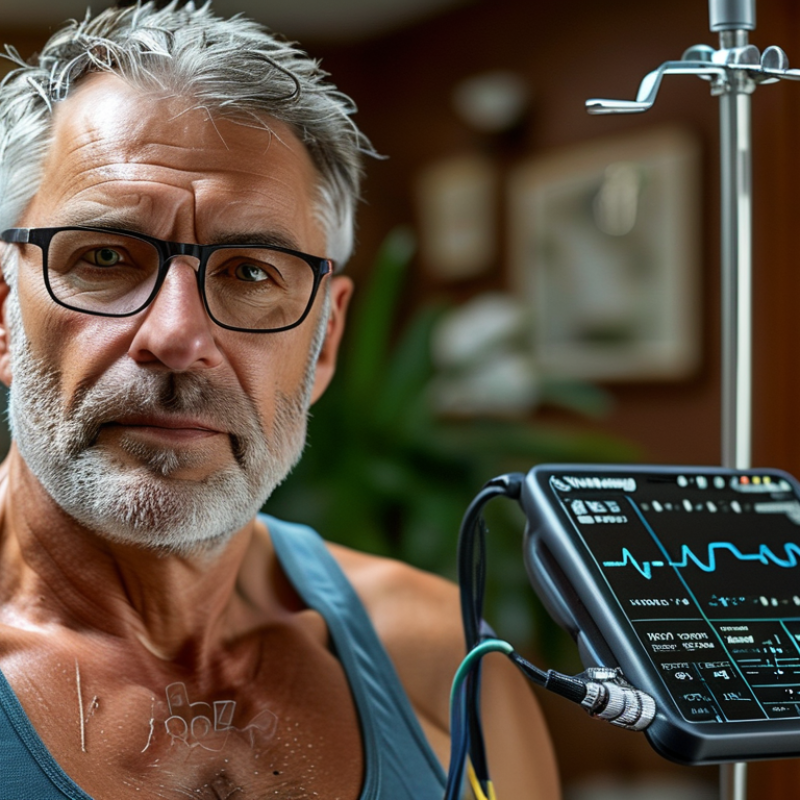
2026 Best Electrostimulation Machine for Global Buyers?
What Is an Electrostimulation Machine? TENS and EMS at 1–150 Hz
An electrostimulation machine delivers controlled electrical pulses through electrodes placed on the skin. TENS mainly stimulates sensory nerves and may support temporary pain relief. The feeling is often a gentle tingling. That distinction matters. EMS targets motor nerves, creating visible muscle contractions for training, rehabilitation, or muscle activation.
A 1–150 Hz range covers many possible settings, but frequency alone does not determine performance. Pulse width, waveform, channel balance, and intensity also affect comfort and results. Lower frequencies may create separate muscle twitches. Higher frequencies can produce smoother contractions, although fatigue may develop faster. A tidy number can mislead. In practical testing, the same setting may feel different because of skin moisture, electrode placement, and individual sensitivity.
Global buyers should review measured output data, safety certifications, clear manuals, and local service support. Electrode quality also matters; worn pads can cause sharp sensations or uneven stimulation. Place electrodes only as directed, and inspect the skin afterward. People with implanted electronic devices, certain heart conditions, or pregnancy should seek professional medical guidance before use. More intensity is not automatically better. A cautious user may need several sessions to identify a comfortable setting, and that learning process is easy to underestimate.
| Evaluation Dimension | TENS | EMS | Why It Matters for Global Buyers |
|---|---|---|---|
| Primary purpose | Temporary relief of certain types of pain through sensory nerve stimulation. | Electrical activation of motor nerves to produce muscle contraction. | Select the mode according to the intended use rather than frequency alone. |
| Typical frequency range | Common consumer settings are approximately 1–150 Hz, depending on the program and device. | Common consumer settings are approximately 1–150 Hz, depending on the program and device. | A stated 1–150 Hz range can cover both low-frequency and higher-frequency programs, but the available presets should be checked. |
| Frequency effect | Lower and higher frequencies can create different sensory patterns; a higher frequency does not automatically mean better pain relief. | Frequency influences contraction behavior and comfort; lower settings may produce more visible or distinct contractions, while higher settings may feel smoother but can fatigue muscles sooner. | Buyers should compare adjustable frequency, pulse width, intensity, and preset logic together. |
| Main sensation | Tingling or buzzing; intensity should remain comfortable and should not cause sharp pain. | Tingling followed by muscle tightening or rhythmic contraction. | Clear intensity controls and gradual adjustment improve usability for first-time users. |
| Common applications | Temporary management of some acute or chronic pain conditions, subject to professional guidance where appropriate. | Muscle re-education, maintaining or improving muscle performance in selected settings, and assisting relaxation or local circulation routines. | Marketing claims should match the device’s intended use and applicable regulations in the destination market. |
| Output controls to compare | Intensity, frequency, pulse width, treatment time, ramping, and continuous or burst patterns. | Intensity, frequency, pulse width, ramp up/down time, contraction/rest cycle, and treatment time. | More adjustable parameters support professional customization but may require clearer instructions. |
| Electrode placement | Placed around the painful area according to the instructions; electrodes should not be placed over damaged skin. | Placed over or near the target muscle according to the instructions to support an appropriate contraction. | Clear placement diagrams and compatible replacement electrodes are important for international users. |
| Channel configuration | One or two channels are common in portable units; additional channels may support multiple treatment areas. | One or two channels are common in portable units; multiple channels can support more than one muscle group. | More channels may increase flexibility, size, setup time, and electrode replacement needs. |
| Power options | Typically battery-powered for portable use; rechargeable and replaceable-battery designs are both available. | Typically battery-powered; higher-output programs may increase battery consumption. | Check charging method, plug type, battery specifications, and transport requirements for the target country. |
| Portability factors | Compact handheld units are commonly suitable for home and travel use. | Portable units are available, but electrode cables and placement requirements can affect convenience. | Compare product weight, controller dimensions, cable length, storage case, and user interface. |
| User interface | A simple screen, program labels, intensity buttons, and automatic shutoff are useful features. | A display showing intensity, work/rest cycle, and remaining time can help users apply stimulation consistently. | Multilingual manuals, icons, and easy-to-read controls improve cross-border usability. |
| Key safety considerations | Do not use over the front or side of the neck, across the chest, on the head, or on broken or infected skin. Follow the device instructions. | Avoid unsafe placement and excessive intensity. Unwanted contractions may be hazardous during driving or operating machinery. | A clear contraindication list and professional advice are essential, especially for users with implanted electronic devices or pregnancy-related concerns. |
| Best selection priority | Comfortable stimulation, accurate controls, suitable programs, reliable electrodes, and clear instructions. | Stable output, adjustable contraction/rest cycles, appropriate intensity control, and secure electrode connection. | For global purchasing, also verify regulatory documentation, labeling, warranty terms, and after-sales support. |
Note: Electrostimulation devices are not interchangeable with medical diagnosis or treatment. Frequency ranges and available programs vary by model. Users should read the instructions and seek qualified medical advice when appropriate.
TENS commonly uses shorter pulses, around 50–250 μs. EMS often uses wider pulses, roughly 200–500 μs. TENS targets sensory nerves. EMS targets motor nerves and may create visible contractions. The ranges overlap, so the distinction is not absolute.
No. A wider pulse may reach motor nerves with less current. Frequency, electrode placement, waveform, and intensity also matter. A 500 μs pulse may contract muscles strongly at the same setting. That does not prove better treatment. I would question simple “wider is stronger” claims.
A 50 μs pulse may feel sharp on sensitive skin. Intensity can rise too quickly. Poor electrode placement may increase discomfort. Small pads can create concentrated sensations. Slow adjustments are usually more sensible.
Check measurable pulse width, frequency, current limits, and waveform details. Review electrode instructions and cleaning requirements. Confirm service response times and cable traceability. Ask for independent safety testing. A polished brochure is not enough.
Ask for electrical safety test reports and their exact scope. Check the applicable edition and testing laboratory details. Look for evidence covering leakage current, insulation, grounding, and shock protection. Do not rely on a printed logo alone. Documents can still have gaps.
No. It mainly concerns the manufacturer’s quality-management system. It may cover design controls, suppliers, complaints, and corrective actions. It does not prove every waveform is safe. Check the certificate scope and expiry date. Audit depth still matters.
Match the device to rehabilitation, temporary pain support, muscle recovery, or clinical training. Review evidence for the exact waveform and treatment duration. Check the studied patient group and measured outcomes. More programs may create confusion. Less glamorous controls can work better.
Operators should set current, pulse width, and frequency clearly. The unit should stop safely when an electrode disconnects. Cables should have traceable batches. Test the interface with real operators before purchasing. Tiny interface problems become serious later.
Choosing the best Electrostimulation Machine in 2026 requires more than comparing price or appearance. This guide explains how TENS and EMS technologies work across approximately 1–150 Hz and how their typical pulse widths, often ranging from 50–500 μs, support different stimulation goals. It also clarifies the practical distinction between pain-focused TENS and muscle-activation-focused EMS, while emphasizing the importance of responsible use and professional guidance when appropriate.
For global buyers, product evaluation should include IEC 60601-1 electrical safety, ISO 13485 quality-management practices, channel count, adjustable intensity, battery performance, charging options, and suitable IP ratings. The best choice depends on matching documented performance, certifications, usability, and intended applications rather than relying on marketing claims alone. A careful comparison of evidence, operating features, regional requirements, and user needs can help buyers select a reliable and suitable device for 2026.

 Royalpeak