Choosing an EMS Waist Slimming Machine for your business involves more than comparing prices or counting treatment modes. The right choice depends on your clients, staff experience, available space, and service model. A compact unit may suit a small studio, while a busy clinic may need durable components and straightforward controls. Looks matter, but they are not enough.
Start with practical evidence. Review the manufacturer’s technical specifications, user instructions, training materials, warranty terms, and after-sales support. Ask how the device is maintained and what routine checks are recommended. Confirm that staff can operate it confidently and explain the service clearly to clients. If specifications seem vague, request clarification before making a purchase. Small details count.
Also consider whether the equipment fits your intended clientele and realistic operating costs. Compare the purchase price with consumables, servicing, staff training, and expected appointment capacity. Avoid relying on dramatic body-shaping promises; outcomes can vary, and a device should not be presented as a substitute for individualized professional advice. A polished sales brochure may leave important questions unanswered. That deserves a second look.
This guide outlines the main factors businesses can use to assess options, from functionality and usability to supplier reliability. It cannot identify one universally best machine, because business needs differ. Instead, it offers a grounded way to compare products, check claims, and make a purchase decision based on verifiable information rather than pressure or appearance alone.
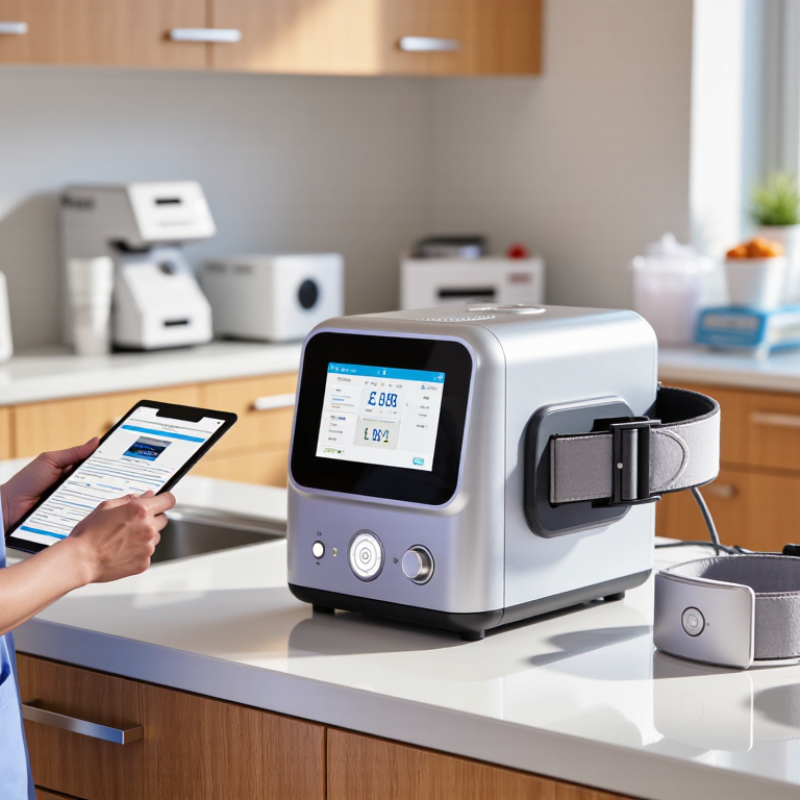
Before comparing an EMS waist slimming machine, write down what your business actually needs. Are you opening a small studio, adding a service to an established clinic, or serving clients at home? Each setting changes your priorities. A compact unit may suit a room with limited floor space, while a busy studio may need durable components and straightforward cleaning. Be specific.
Your target clientele matters just as much. A studio serving first-time wellness clients may value simple controls, clear instructions, and adjustable session settings. Experienced clients may ask about comfort, training, and how EMS fits into a broader wellness routine. Avoid assuming that every client wants the same result. EMS is not a guaranteed way to lose weight, and suitability can vary. Keep an intake process, explain realistic expectations, and refer medical questions to a qualified healthcare professional.
Think about the service after purchase, too. Who will operate the machine? How much training can you provide? Check the supplier’s user documentation, maintenance guidance, and support response times. Ask staff to test the controls and fit of the waist applicator before committing. Small details count. I have seen businesses focus on features, then realize their room layout or appointment length makes the setup awkward. That is an easy assumption to miss. A short list of client needs, staffing limits, and practical constraints will make comparisons more useful than chasing the most impressive specification.
How to Choose the Best EMS Waist Slimming Machine for Your Business?
Understand EMS Technology and Treatment Applications
Electrical muscle stimulation, or EMS, delivers controlled electrical impulses through skin-contact electrodes. These impulses prompt targeted muscles to contract. During a waist session, a client may feel firm, repeated tightening beneath the applicators. Sensations should remain tolerable, not painful. Staff need practical training to position pads evenly, check skin contact, and adjust intensity gradually.
EMS may suit clients seeking muscle stimulation as part of a broader fitness or body-contouring service. It is not a substitute for exercise, balanced nutrition, or medical care, and results vary between individuals. Be clear about that. A realistic consultation covers the client’s goals, comfort, relevant health history, and any device-specific precautions. Some clients may need professional guidance before treatment, particularly if they have implanted electronic devices or other health concerns.
For a business, treatment applications matter more than impressive settings alone. Check whether the machine supports waist-focused sessions, allows controlled adjustments, and provides clear operating instructions. Ask how electrodes are cleaned or replaced, and keep session records. Small details count. A fitting that looks simple in a brochure can take longer with real clients; staff may need practice. Consider that before estimating appointment times or promising outcomes.
Understanding EMS pulse frequency
Frequency is the number of electrical pulses delivered per second. The chart shows the corresponding time between pulses, calculated as 1,000 milliseconds divided by frequency in hertz. These values illustrate the relationship between frequency and pulse spacing; they are not treatment recommendations.
When comparing EMS waist slimming machines, look beyond the number of programs on the display. Check which muscle groups the applicators target, how intensity levels change, and whether sessions can be adjusted for different users.
Ask for clear operating instructions and a realistic demonstration. Watch how easily staff can position the applicators and clean contact surfaces between appointments.
Small workflow details matter.
Safety documentation deserves close attention. Request the manufacturer’s risk information, maintenance schedule, and evidence supporting electrical and electromagnetic safety claims. Confirm that the device’s stated intended use matches the service you plan to offer.
Certifications are not interchangeable: verify the issuing body, product model, certificate number, and validity directly with the relevant organization. Requirements vary by market, so consult local regulators or a qualified compliance professional before purchasing.
A polished certificate image is not enough.
Review screening guidance for users with implanted electronic devices, pregnancy, or other conditions identified in the device instructions. Staff should know when to pause a session and refer a client for medical advice.
Ask about training, technical support, and replacement applicators, too. Keep records.
A machine may look impressive in a showroom, yet poor documentation or unclear servicing can create avoidable problems.
I would not treat a high program count as proof of quality; that assumption deserves a second look.
When comparing EMS waist-slimming machines, ask what happens after delivery. Request a written training plan, operator materials, and a clear route for technical support. A short demonstration is not enough. Staff should practise fitting electrodes, checking connections, and responding to common error messages. Ask how quickly replacement parts ship and whether remote troubleshooting is included. Then test the support process before buying: send a realistic technical question and note the response time.
Ownership costs extend beyond the invoice. Include installation, staff training hours, consumables, maintenance, software fees, and downtime in your comparison. The Global Wellness Institute’s 2024 Global Wellness Economy Monitor estimated the wellness economy at $6.3 trillion in 2023, with growth projected to nearly $9 trillion by 2028. That market outlook suggests opportunity, not guaranteed bookings. Build a conservative forecast using your own appointment capacity and local pricing. Ask suppliers for documented service intervals and typical part-replacement costs; vague estimates make budgeting harder. A lower purchase price can become expensive if support is slow. Easy to overlook. Keep a simple cost log during demonstrations, and revise your assumptions when real quotes arrive. You may still miss something. That is worth acknowledging.
Use this comparison framework to evaluate equipment offers. Cost figures below are illustrative planning assumptions in USD, not market quotations; request itemized, written quotes and verify local regulatory requirements before purchasing.
| Evaluation area | What to check | Useful benchmark or planning assumption | Questions for the supplier | Why it matters |
|---|---|---|---|---|
| Intended use and claims | Confirm the device’s intended purpose, permitted use, and applicable local device registration or clearance. | Obtain the device labeling, instructions for use, and relevant regulatory documentation before making treatment claims. | What uses are authorized in my location? What documentation can you provide? | Regulatory status and advertising rules differ by jurisdiction; do not assume that a supplier’s marketing claims are approved indications. |
| Supplier support | Check support hours, response targets, troubleshooting process, escalation path, and availability of remote or onsite service. | Set a written response-time target, such as one business day for routine support, and confirm whether onsite visits incur extra fees. | Who handles service requests, how are issues escalated, and what support is included after warranty? | Slow service can extend downtime and reduce appointment capacity. |
| Warranty and repairs | Review warranty duration, covered components, labor, shipping, exclusions, and repair turnaround. | Compare the written warranty with the expected service life and ask for a separate estimate for post-warranty repairs. | Are applicators, cables, control units, and labor covered? Who pays freight for warranty repairs? | A headline warranty may exclude parts or costs that are important in day-to-day operation. |
| Operator training | Assess training format, duration, learner materials, competency checks, and refresher access. | Budget for staff time and any training fee; require documented instruction on operation, cleaning, contraindications, and emergency procedures. | Is training included? Can new staff receive training later, and is completion documented? | Consistent training supports safe, repeatable operation when staff changes. |
| Installation and readiness | Check delivery, setup, electrical requirements, room needs, acceptance testing, and commissioning. | Include delivery, installation, any required room preparation, and staff time in the launch budget. | What site requirements apply? Is setup included, and what confirms the machine is ready for use? | Unexpected setup requirements can delay opening or create additional costs. |
| Consumables and upkeep | Identify replaceable items, cleaning products, inspection needs, and recommended maintenance intervals. | Ask for a written consumables list, unit prices, expected replacement intervals, and maintenance schedule. | Which items require routine replacement, and are compatible supplies readily available? | Ongoing supply and maintenance costs affect the true cost per appointment. |
| Three-year ownership-cost model | Calculate purchase, setup, training, consumables, service, financing, and downtime-related costs. | Example only: $6,000 equipment + $500 setup + $600/year supplies and service = $8,300 over three years, before financing, taxes, and downtime. | Can you itemize every upfront and recurring charge for the first three years? | Comparing total ownership cost is more informative than comparing purchase prices alone. |
| Downtime and backup plan | Understand typical repair logistics, loaner availability, spare-part access, and service exclusions. | Estimate the business impact of missed appointments using your own appointment volume and average revenue per visit. | Is a loaner available during repair? What is the estimated repair process and shipping time? | A low-cost machine may be more expensive overall if support delays interrupt bookings. |
| Contract and exit terms | Review financing or lease terms, cancellation conditions, ownership at term end, and software or service fees. | Compare total payments over the full term with the outright purchase price and identify any recurring fees. | What is the total payable amount, and are there fees to cancel, renew, or transfer the agreement? | Contract terms can materially change the long-term cost and flexibility of ownership. |
Decision tip: Compare written quotes using the same ownership period and service assumptions. Verify device documentation, training scope, warranty exclusions, and all recurring charges before signing.
A convincing demonstration is only a starting point. Test the EMS waist slimming machine under realistic working conditions before committing to it. Check that controls respond consistently, intensity changes are clear, and the display remains readable under bright treatment-room lights. Run several sessions using the intended schedule, with appropriate trained staff present. Note setup time, cleaning steps, and how easily clients can understand the instructions.
Measure what matters to your business. Record session duration, staff involvement, client comfort feedback, and any interruptions. Do not treat a short trial as proof of long-term performance. A polished demo can hide practical snags. Ask the supplier for written operating guidance, maintenance intervals, warranty terms, and a clear process for technical support. Keep these documents with your equipment records.
Plan daily operations before installation. Assign responsibility for checking cables, applicators, and controls, and follow the manufacturer’s cleaning instructions. Build staff training into onboarding, then review procedures when equipment or schedules change. Estimate how many sessions your room can accommodate without rushing cleaning or client preparation. Leave time for service and unexpected downtime. I have seen plans look neat on paper, then falter when one staff member is absent. That possibility deserves attention. A simple log of checks, service requests, and session capacity can reveal recurring issues early.
Consider your room size, appointment length, staffing, cleaning process, and expected client volume. Be specific.
No. New clients may prefer simple controls and clear instructions. Experienced clients may ask about comfort and session adjustments.
No. EMS is not a guaranteed weight-loss method. Explain realistic expectations and refer medical questions to qualified healthcare professionals.
Staff should test the controls, applicator fit, positioning process, and contact-surface cleaning. A showroom demonstration can miss awkward room layouts.
Check targeted muscle groups, intensity changes, adjustable sessions, operating instructions, and applicator positioning. More programs do not prove better quality.
Request risk information, maintenance schedules, electrical safety evidence, and electromagnetic safety documentation. Keep copies for your records.
Check the issuing body, product model, certificate number, and validity. Confirm details directly with the relevant organization.
Review guidance concerning implanted electronic devices, pregnancy, and conditions listed in the device instructions. Refer uncertain cases for medical advice.
Ask about staff training, technical support, response times, maintenance, and replacement applicators. Poor servicing can create avoidable problems.
Probably not. Balance client needs, documentation, workflow, and safety evidence. Chasing impressive specifications may lead to regret.
Choosing the right EMS Waist Slimming Machine starts with a clear understanding of your business goals and target clientele. Consider the services you plan to offer, the clients you expect to serve, and how EMS technology fits into your treatment menu. Compare machines based on their features, ease of use, safety standards, and relevant certifications, ensuring that the device is appropriate for your intended professional setting.
Before making a decision, evaluate the supplier’s training, technical support, warranty, and maintenance provisions, along with the machine’s total ownership costs. Whenever possible, test its performance and assess how easily it can be incorporated into daily operations. A well-informed choice can help you deliver consistent treatments, support your staff, and plan for the long-term needs of your business.

Royalpeak