TENS Machine Physiotherapy is a widely recognized approach for managing and alleviating pain. Many individuals have found relief through this non-invasive method. The effectiveness of a TENS machine depends significantly on its proper use. This guide offers practical tips to enhance your experience with TENS therapy.
Using the TENS machine properly can transform your pain management journey. Start by understanding where to place the electrodes for maximum effect. Experimenting with different settings can lead to personalized relief. It is essential to remain engaged in the process and observe how your body responds. Some users may face challenges, such as discomfort during use. Reflecting on these experiences can improve future sessions.
While TENS machines are effective, they are not a cure-all solution. Continuous evaluation is crucial to develop a balanced pain management strategy. Remember, consulting a healthcare professional can provide additional insights into your therapy. This balanced approach can enhance the effectiveness of TENS machine physiotherapy.
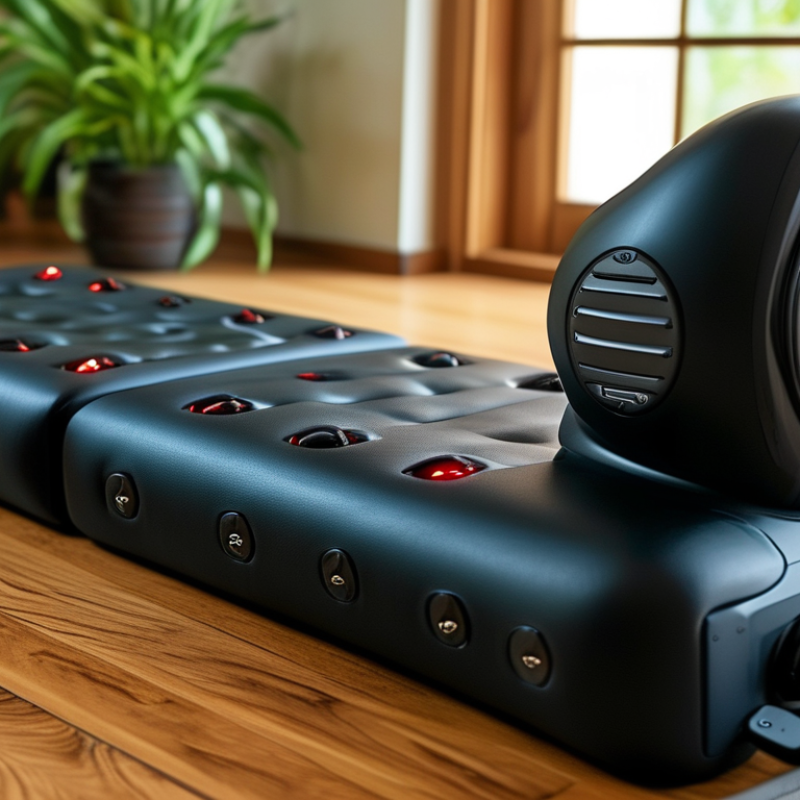
TENS machines, or Transcutaneous Electrical Nerve Stimulation devices, are designed to provide pain relief through electrical impulses. These machines stimulate the nerves in affected areas. This stimulation can help block pain signals sent to the brain, allowing for relief in various conditions such as chronic pain or arthritis.
When using a TENS machine, placement is crucial. Apply the pads around the painful area but avoid placing them directly on broken skin. Experiment with different settings, such as intensity and pulse rate, to find what works best for you. It's important to start at a lower intensity and gradually increase it.
Consider using the TENS machine for short, frequent sessions throughout the day. Monitor your body's response carefully. If you experience discomfort, adjust the settings or take a break. Always consult a healthcare professional if you're unsure about using TENS as part of your pain management strategy.
TENS therapy is known for its efficacy in managing various types of pain. Chronic pain, including backaches and arthritis, is often targeted. Patients with fibromyalgia also find relief. Neuropathic pain, like that from diabetes, responds well. This method can be versatile, catering to many painful conditions.
When using a TENS machine, it’s essential to follow some practical tips for optimal results. Always begin with clean skin to ensure effective electrode adhesion. Proper placement of the electrodes can significantly affect the outcome. Experiment with the intensity settings to find what feels right for your comfort level.
Managing expectations is vital. Some users may experience immediate relief, while others may need time. Not everyone finds TENS effective. This inconsistency can be frustrating. It’s important to maintain an open dialogue with healthcare providers to evaluate progress. Pain management is often a trial-and-error process, and TENS therapy is one of many tools available.
Using a TENS machine for pain relief can be effective when used correctly. Start by identifying the specific area of pain. Clean the skin thoroughly before applying the electrodes. Research shows that proper electrode placement can increase the effectiveness of the treatment. The National Institutes of Health suggest that positioning electrodes at least one inch apart can enhance stimulation.
Adjust the intensity gradually. Many users find it beneficial to start on a low setting before increasing it to a comfortable level. It is important to monitor your body's response. A study published in the Journal of Pain Research indicates that moderate stimulation can lead to a more substantial reduction in pain compared to higher levels. Be mindful of discomfort; pain should not exceed a moderate level during treatment.
Timing of the sessions also plays a crucial role. Keeping sessions between 20 to 30 minutes is generally advised. Overuse may lead to skin irritation or reduced effectiveness. Listening to your body is key. Some users report needing to adjust settings based on fluctuating pain levels. Regular reflection on what works best for your body can optimize your experience with this therapy.
This chart illustrates the reduction in pain levels over a period of four weeks using a TENS machine. Initial pain levels are high, but consistent use of the device leads to significant pain relief over time.
TENS therapy is a popular method for pain relief. It uses low-voltage electrical currents to stimulate nerves. While it can be effective, safety precautions are crucial.
Common side effects include skin irritation at the electrode sites. In a study, about 30% of users reported mild discomfort. Some also experience muscle twitching. For individuals with heart conditions or pregnant women, consulting a healthcare professional is essential. Risks increase without proper guidance.
Using TENS improperly can lead to unintended consequences. Placing electrodes on broken skin or near the eyes can be dangerous. Always follow device instructions closely. First-time users should start at low intensity. Monitoring your body's response is vital. Keeping a record of experiences helps in adjusting settings for optimal results.
When using TENS (Transcutaneous Electrical Nerve Stimulation) for pain relief, proper application is key. Studies suggest that the correct pad placement can greatly enhance effectiveness. Research indicates that incorrect placement can reduce efficacy by up to 25%. Understanding anatomical pain points helps target treatment areas effectively, leading to better outcomes.
Adjusting the intensity also plays a significant role. A report from the Journal of Pain Management found that patients report a 40% improvement in pain relief when intensity is optimized. It's important to start low and gradually increase until you feel a comfortable sensation. Overstimulation can lead to discomfort, undermining the therapeutic benefits of TENS.
Duration of use is another critical factor. Current guidelines recommend using TENS for 20 to 30 minutes per session, up to three times daily. However, some users may initially feel hesitant about frequency. Research shows that consistent application can lead to cumulative benefits. Take time to assess your comfort levels and adjust according to your response. Be mindful that not every approach works for everyone; personalization is key for effective management.
| Tip | Description | Frequency | Duration |
|---|---|---|---|
| Select Proper Settings | Adjust the intensity and pulse width for optimal results. | As needed | 10-30 minutes |
| Placement of Electrodes | Place electrodes on pain points for maximum effect. | Twice daily | 20 minutes |
| Stay Relaxed | Use the TENS machine in a calm environment to enhance effectiveness. | Daily | 30 minutes |
| Combine Treatments | Use alongside other therapies like massage or stretching. | As suggested | Varying times |
| Follow Manufacturer Instructions | Always read the user manual to ensure safe usage. | Always | N/A |
: A TENS machine provides pain relief using electrical impulses to stimulate nerves in affected areas.
Apply pads around the painful area. Avoid placing them directly on broken skin for safety.
Start at a low intensity. Gradually increase until you find a comfortable level that works for you.
Sessions should last between 20 to 30 minutes. This duration helps avoid skin irritation.
Yes, you can use it up to three times a day. Monitor your body's response closely.
If you experience discomfort, adjust the settings or take a break from use. Listen to your body.
Correct placement can enhance effectiveness. Incorrect positioning may reduce relief by up to 25%.
Yes, clean skin ensures better adhesion and improves the treatment efficacy.
Regularly reflect on your pain levels and adjust settings to find what works best for you.
Consistent use can lead to better cumulative benefits. Adjust frequency based on your comfort levels.
The article "Tens Machine Physiotherapy Tips for Effective Pain Relief" explores the fundamentals of TENS (Transcutaneous Electrical Nerve Stimulation) machines, detailing their mechanism of action in alleviating pain. It outlines various types of pain that TENS therapy can address, including chronic and acute conditions. The article provides a comprehensive step-by-step guide for users to maximize the efficacy of their TENS machine, ensuring proper placement and settings for optimal results.
Moreover, safety precautions and common side effects associated with TENS therapy are discussed to ensure safe usage. To enhance pain relief, readers are offered practical tips, including consistency in treatments and adjusting settings based on individual comfort levels. Overall, this guide serves as a valuable resource for those seeking effective pain management through TENS machine physiotherapy.

Royalpeak