In the rapidly evolving realm of Muscle Recovery Body Therapy, professionals continually seek innovative ways to improve recovery processes for athletes and fitness enthusiasts alike. Dr. Lin Chen, a renowned specialist in sports therapy, emphasizes, “Effective recovery is as crucial as the workout itself.” This statement resonates deeply with the growing demand for superior therapeutic solutions in China's fitness industry.
Amidst a vast selection of recovery therapies, individuals often find themselves overwhelmed. Each solution, from cryotherapy to massage techniques, presents unique benefits and challenges. Understanding these options is essential for achieving optimal muscle recovery. Moreover, the expanding market reflects a heightened awareness of the importance of recovery strategies.
Within this landscape, it's vital to recognize that not all therapies yield the same results for every individual. What works wonders for one person may not resonate with another, prompting the necessity for personalized approaches. Exploring the top muscle recovery therapies in China reveals the intricacies and nuances involved in this field. Those eager to enhance their recovery journey must delve deeper into the available options and reflect on their unique needs.
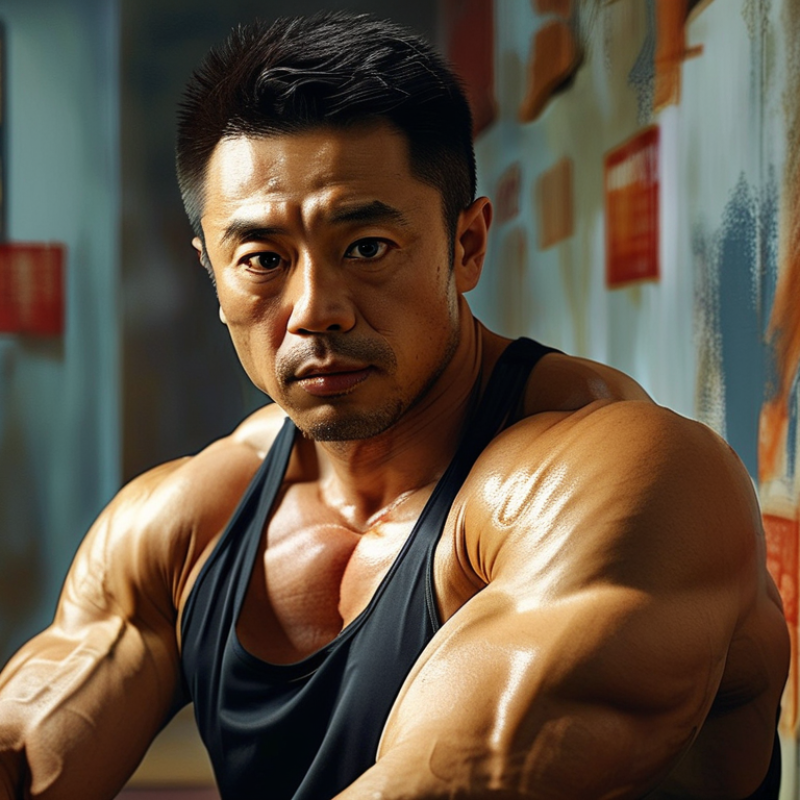
Top 10 Muscle Recovery Body Therapy Solutions in China
Muscle recovery is a crucial aspect of physical health and athletic performance. In China, the body therapy market has seen steady growth, driven by rising awareness of recovery practices. According to a recent report, the market for muscle recovery therapies is projected to reach $4.5 billion by 2025. Techniques such as sports massage, cryotherapy, and compression therapy are gaining traction among athletes and fitness enthusiasts alike.
Sports massage is one prominent solution. It not only alleviates muscle tension but also improves blood circulation. In studies, participants receiving regular sports massages reported a 30% reduction in muscle soreness. Cryotherapy, involving exposure to extreme cold, is also becoming popular. Reports indicate that athletes using cryotherapy experienced a quicker recovery time, sometimes up to 50% faster, compared to traditional methods.
Compression therapy, utilizing specially designed garments, enhances blood flow and reduces swelling. Many users appreciate the immediate relief they feel post-therapy.
Amid these developments, the industry faces challenges. Not all therapies are suitable for everyone. Individual responses can vary significantly. A method that works for one person may be inefficient for another. Furthermore, unregulated practices can lead to injuries or setbacks. There's still a learning curve for many consumers. Education on best practices and therapist qualifications is essential. Balancing innovation with safety is key for the future of muscle recovery therapies in China.
Overview of Muscle Recovery and Its Importance
Muscle recovery is crucial for individuals engaging in physical activity. It allows the body to repair and strengthen muscles after exercise. Proper recovery prevents injuries, reduces soreness, and enhances overall performance. Understanding the science behind recovery can lead to improved results.
Many factors influence muscle recovery. Sleep, nutrition, and hydration are vital components that are often overlooked. A well-balanced diet rich in proteins and healthy fats aids muscle repair. Adequate sleep provides the body with the time it needs to heal and regenerate. Neglecting these essential elements can hinder recovery efforts.
Incorporating various recovery therapies can also enhance muscle healing. Techniques such as stretching, massage, and hydrotherapy play significant roles. Each method has unique benefits. However, not every approach works for everyone. It's important to listen to your body and find the right balance. Experimenting with different techniques can lead to a more personalized recovery routine, ultimately improving your overall well-being.
Top 10 Muscle Recovery Body Therapy Solutions in China
This chart illustrates the popularity of different muscle recovery body therapy solutions in China based on recent surveys. The solutions have been rated based on their effectiveness and user satisfaction.
Traditional Chinese Medicine Approaches to Muscle Recovery
Traditional Chinese Medicine (TCM) offers unique methods for muscle recovery, blending holistic practices with ancient wisdom. Acupuncture is one of the most well-researched techniques in TCM. A study indicated that acupuncture can significantly reduce muscle soreness and inflammation. This method stimulates specific points on the body, enhancing blood flow and promoting healing.
Another vital aspect of TCM involves herbal remedies. Certain herbs, like turmeric and ginger, are recognized for their anti-inflammatory properties. According to a report from the World Health Organization, these natural solutions can alleviate pain and improve recovery times. Herbal pastes and poultices are commonly applied to sore muscles, providing localized relief.
Additionally, practices like Tai Chi and Qigong help in muscle recovery and overall wellness. These gentle exercises enhance flexibility and strength. A survey showed that regular practice may lead to a 15% improvement in muscle function over time. However, the incorporation of TCM requires careful observation, as it may not suit everyone’s needs. Personal experiences and outcomes vary significantly, inviting ongoing exploration in this field.
Top 10 Muscle Recovery Body Therapy Solutions in China
| Therapy Solution |
Description |
Benefits |
Duration |
Cost (CNY) |
| Acupuncture |
Insertion of needles to stimulate specific points. |
Reduces pain, improves circulation, promotes relaxation. |
30 - 60 minutes |
200 - 600 |
| Moxibustion |
Burning of mugwort near acupuncture points. |
Warms areas and meridians, promotes energy flow. |
20 - 40 minutes |
150 - 500 |
| Cupping Therapy |
Using cups to create suction on the skin. |
Relieves muscle tension, encourages blood flow. |
30 - 60 minutes |
250 - 700 |
| Tui Na Massage |
Traditional Chinese therapeutic massage. |
Balances Qi, eases pain, relieves stress. |
30 - 90 minutes |
200 - 800 |
| Herbal Therapy |
Use of medicinal herbs for various ailments. |
Enhances recovery, boosts immunity. |
Varies |
100 - 300 per session |
| Qigong |
A holistic system of coordinated body movements. |
Improves flexibility, balances energy. |
1 hour |
Free to moderate classes |
| Infrared Therapy |
Use of infrared light to penetrate tissues. |
Promotes blood circulation and relaxation. |
30 - 60 minutes |
300 - 800 |
| Electroacupuncture |
Stimulating acupuncture points with electrical impulses. |
Increases effect of traditional acupuncture. |
30 - 50 minutes |
400 - 900 |
| Shiatsu |
Japanese massage technique, similar to Tui Na. |
Promotes relaxation, relieves tension. |
60 - 90 minutes |
300 - 700 |
| Crystal Healing |
Using crystals to influence energy balance. |
Enhances emotional and spiritual wellness. |
30 - 60 minutes |
250 - 600 |
Modern Techniques: Cryotherapy and Compression Therapy
Cryotherapy and compression therapy are gaining popularity in China as effective muscle recovery techniques. Cryotherapy involves exposing the body to extremely low temperatures. This process reduces inflammation and accelerates recovery. Many athletes report decreased muscle soreness after treatment. The dramatic temperature change can also boost mood and energy levels.
Compression therapy uses specialized garments to apply pressure on muscles. This encourages blood flow and reduces swelling. Athletes often incorporate this therapy into their routine. Results can vary, with some feeling immediate relief and others requiring more sessions. It’s important to find the right balance of treatment for individual needs.
Both methods highlight the blend of modern technology and traditional recovery practices. While they show promise, not every individual will respond the same way. It’s wise to consult professionals before starting these therapies. Personal experiences can be a mixed bag; some users rave about their effectiveness, while others question their true benefit.
Massage Therapy Options Available in China
Massage therapy has gained immense popularity in China as a muscle recovery solution. With techniques rooted in traditional Chinese medicine, various styles and practices are now widely available. From invigorating deep tissue massages to relaxing Thai and hot stone methods, there’s a technique for everyone. Each offers unique benefits for muscle recovery.
Tips for enhancing your massage experience include communicating your preferences with the therapist. Always express any areas of tension or discomfort. Consider trying a combination of techniques for better results. Consistency is key; regular sessions can greatly enhance recovery.
It's essential to ensure the therapist is certified and experienced. Their expertise significantly affects the treatment's effectiveness. Remember to reflect on what methods work best for you after each session. Not every technique may yield the same results, so keep an open mind and adjust accordingly. Your recovery journey is unique, and finding the right fit is crucial.
Emerging Technologies in Muscle Recovery Solutions
Muscle recovery has gained significant attention in recent years. Emerging technologies are transforming how we approach therapy solutions. Studies indicate that 68% of athletes actively seek advanced recovery methods. These technologies focus on enhancing muscle healing processes and reducing downtime after intense workouts.
Innovative solutions like pneumatic compression devices and electrical stimulation are gaining popularity. Research shows that pneumatic compression can improve circulation and decrease muscle soreness. Furthermore, electrical stimulation is proven to enhance muscle strength and speed up recovery times. These methods provide athletes with evidence-based ways to minimize fatigue.
Tips: Incorporate recovery technology into your routine. Start with short sessions to assess your comfort level. Monitor your body’s response to different therapies. Customization is key, as everyone’s recovery needs vary. Remember, it’s okay if a method doesn’t yield immediate results. Reflect on your experiences, and adjust your approach accordingly.
Conclusion
The article "Top 10 Muscle Recovery Body Therapy Solutions in China" explores various approaches to muscle recovery and its critical significance for overall well-being. It begins with an overview of muscle recovery, highlighting its importance in physical health and athletic performance. The article then delves into traditional Chinese medicine methods, which emphasize holistic practices and natural remedies for recovery.
Additionally, it examines modern techniques such as cryotherapy and compression therapy, which are gaining popularity for their effectiveness in reducing muscle soreness and enhancing recovery speed. Furthermore, a range of massage therapy options available in China is discussed, showcasing the diverse practices that aid in muscle recovery body therapy. Lastly, the article highlights emerging technologies that are shaping the future of recovery solutions, underscoring the ongoing innovation in the field.

 Royalpeak