A Tens Unit Electric Pulse Massager is a small, battery-powered device that sends mild electrical pulses through adhesive electrodes placed on the skin. These pulses may create a gentle tingling sensation, rhythmic tapping, or muscle-like vibration. Unlike a traditional massage, the device does not knead tissue with hands. It stimulates nerves through controlled surface-level electricity.
Pain medicine specialist Dr. Robert Bolash explains, “TENS uses low-voltage electrical current to help control pain.” His statement reflects the device’s practical purpose: supporting temporary pain relief rather than repairing an injury. A user might place two pads around a sore shoulder, connect the lead wires, and increase the intensity slowly. The feeling should remain comfortable, not sharp or burning.
The experience varies widely. Some people notice relief within minutes, while others feel little difference. That uncertainty matters. A TENS unit is not automatically suitable for every person, pain condition, or body area. Users should read the manufacturer’s instructions and seek professional advice when pain is severe, unexplained, or persistent. Electrodes should not be placed over broken skin, the front of the neck, or near sensitive medical devices without clinical guidance.
This guide examines how a Tens Unit Electric Pulse Massager works, what its settings mean, and where its limits become important. It also considers everyday details, such as pad placement, skin comfort, battery checks, and realistic expectations. The device can be useful. It is not a cure-all.
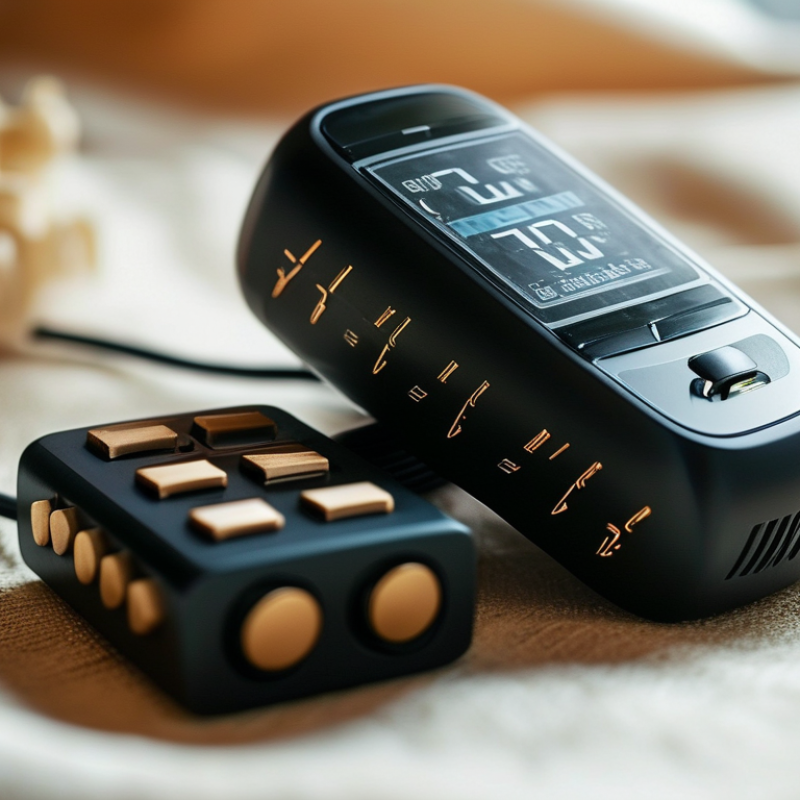
What Is a TENS Unit Electric Pulse Massager?
A TENS unit electric pulse massager is a small device that sends mild electrical pulses through adhesive electrodes placed on the skin. TENS means transcutaneous electrical nerve stimulation. Its basic purpose is temporary pain relief, not the treatment of an underlying injury or disease. The pulses may influence how pain signals travel to the brain and may encourage the body to release natural pain-relieving chemicals. Users often notice a gentle tingling, tapping, or buzzing sensation. It should not feel sharply painful.
In practical use, someone may place the electrodes around, but not directly on, a sore area and adjust the intensity slowly. Results differ between people. Sometimes the sensation feels helpful; sometimes it feels distracting or ineffective. That uncertainty matters. A TENS unit is not a cure, and it cannot replace medical assessment when pain is severe, persistent, or unexplained. Avoid placing electrodes on broken or irritated skin, the front of the neck, or across the chest. People with implanted electronic devices should consult a qualified healthcare professional before use. Pregnancy, reduced sensation, and certain neurological conditions also deserve professional guidance. Follow the device instructions carefully, because stronger stimulation is not automatically better. અનુભવ
| Data Dimension | Key Information | Practical Meaning |
|---|---|---|
| Definition | A TENS unit is a small battery-powered device that delivers mild electrical impulses through adhesive electrodes placed on the skin. | It is designed primarily for non-invasive, temporary relief of certain types of pain. |
| Meaning of TENS | TENS stands for transcutaneous electrical nerve stimulation. | “Transcutaneous” means that the electrical stimulation passes through the skin. |
| Primary Purpose | The basic purpose is to help manage pain without medication or invasive procedures. | Pain relief may support daily activity, rest, or rehabilitation, but results vary by person and condition. |
| Electrical Output | The unit produces controlled pulses with adjustable intensity, frequency, and pulse duration. | Settings can be adjusted to produce a comfortable tingling sensation rather than painful stimulation. |
| Typical Sensation | Users commonly feel tingling, tapping, buzzing, or pulsing beneath the electrodes. | The sensation should generally remain comfortable. Reduce the intensity if there is sharp pain, burning, or excessive discomfort. |
| Commonly Used Areas | Depending on professional guidance and the device instructions, electrodes may be positioned near areas such as the back, shoulder, neck, knee, or limb. | Electrodes should be placed only on intact skin and never directly over the eyes, front of the neck, or broken skin. |
| Typical Session Length | Many home-use sessions are approximately 20 to 60 minutes, although the appropriate duration depends on the device instructions and individual needs. | Start with the recommended settings and stop if skin irritation, unusual pain, dizziness, or other concerning symptoms occur. |
| How It May Help | Electrical stimulation may influence how pain signals are processed and may encourage the body’s natural pain-modulating responses. | The effect is usually temporary and is not a cure for the underlying cause of pain. |
| TENS Versus Massage | A TENS unit uses electrical nerve stimulation; it does not knead, compress, or mechanically rub muscles like a conventional massager. | The term “electric pulse massager” is commonly used in consumer descriptions, but TENS is more accurately categorized as electrical stimulation. |
| Portability | Most home-use units are compact and battery-powered, with a control module connected to one or more electrode leads. | Portable design can allow use at home or while traveling, provided the device is used safely and as directed. |
| Important Precautions | People with implanted electronic devices, certain heart conditions, epilepsy, pregnancy-related concerns, or unexplained pain should seek medical advice before use. | Do not use while driving, sleeping, bathing, or operating machinery unless a qualified healthcare professional specifically advises otherwise. |
| Main Limitation | TENS does not work equally well for everyone, and evidence of benefit can differ according to the type and cause of pain. | It should be considered a pain-management aid, not a replacement for diagnosis, medical treatment, physical therapy, or prescribed care. |
: It is a small device that sends mild electrical pulses through adhesive skin electrodes. It is not a mechanical kneading massager. Its purpose is temporary pain relief.
Most users feel gentle tingling, tapping, buzzing, or tiny vibrations. It should not feel sharply painful. Stronger stimulation is not automatically better.
The pulses stimulate nearby sensory nerves. They may reduce pain signals reaching the brain and support natural pain-control chemicals. The exact benefit varies between people.
No. It may manage symptoms temporarily, but it does not cure an underlying condition. Evidence remains mixed for several pain problems. Personal relief is not proof of treatment.
Place them around, but not directly on, the sore area. Use only intact, clean, dry skin. Avoid the chest, neck, head, and damaged skin.
Ask a qualified healthcare professional if you have an implanted electronic device, pregnancy, reduced sensation, seizures, or certain neurological conditions. Professional guidance matters here.
Start with the lowest comfortable intensity. Increase it slowly only if appropriate. Keep a brief record of placement, intensity, duration, and skin response. I might underestimate how useful this record becomes.
Stop if dizziness, unusual pain, burns, rash, persistent irritation, or worsening symptoms appear. Do not use it while sleeping, bathing, driving, or operating machinery. Pain that persists or spreads needs professional assessment.
A Tens Unit Electric Pulse Massager is a compact device that delivers mild electrical impulses through adhesive electrodes placed on the skin. Its primary purpose is to stimulate nearby nerves and may help reduce the perception of discomfort, relax tense muscles, or support temporary relief after physical activity. The impulses are generally noninvasive and can be adjusted to suit different comfort levels.
Most units include a control device, electrode pads, connecting wires, and settings for intensity, pulse rate, and operating pattern. Common modes may provide steady, rhythmic, or varying stimulation. Although some users find this therapy helpful, results can differ, and it should not be considered a complete treatment for underlying medical conditions. Users should follow the instructions carefully, begin with low intensity, keep electrodes on clean, intact skin, and stop if irritation, pain, dizziness, or unusual sensations occur. Electrical stimulation should not be used near the eyes, throat, or across the chest, and people with implanted electronic devices or specific health concerns should seek professional medical advice before use.

 Royalpeak